
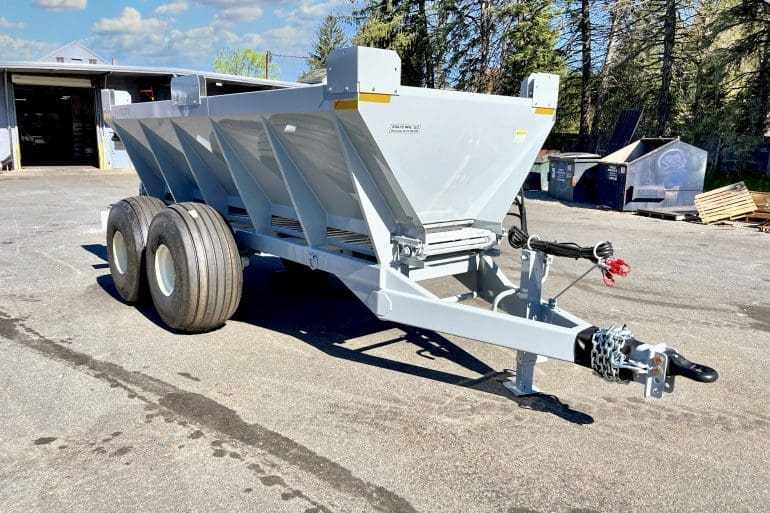
Improving Soil Health with Cover Crops and How Agricultural Spreaders Can Help
Soil health is one of the most important assets a farmer has, yet it can be one of the easiest to overlook. Years of continuous cropping, tillage, and chemical inputs can degrade soil structure and reduce organic matter. One of the most effective and affordable ways to reverse this trend is by planting cover crops.
These crops aren’t harvested for sale but are grown to benefit the soil. Used strategically, cover crops can improve fertility, reduce erosion, suppress weeds, and build long-term resilience into your farming system, complementing the nutrients applied with agricultural spreaders.
What Are Cover Crops?
Cover crops are plants that are grown primarily to benefit the soil rather than produce a marketable yield. Common examples include rye, clover, vetch, radish, oats, and buckwheat. Each type of cover crop offers different benefits, so the right choice depends on your soil type, crop rotation, and specific goals.
Some cover crops are nitrogen-fixing legumes that add fertility to the soil. Others have deep taproots that break up compaction and improve water infiltration. Fast-growing varieties can smother weeds or provide winter ground cover to reduce erosion from wind and rain.
Key Benefits of Cover Crops
Cover crops are a vital tool for improving soil health, and they bring multiple benefits to your farming operation. From reducing erosion to enhancing nutrient cycling, these crops can provide long-term improvements that support sustainable farming practices. In this section, we’ll explore the key benefits of cover crops and their contributions to improved soil structure and productivity. Whether you’re using agricultural spreaders to apply lime or fertilizer, cover crops work in tandem with these practices to create a more resilient soil system.
- Erosion Control
Bare soil is vulnerable to erosion, especially in winter and early spring. A cover crop canopy helps protect the soil surface from rainfall impact and wind, keeping valuable topsoil in place.
- Improved Soil Structure
The roots of cover crops help to stabilize soil aggregates and improve porosity. This means better water movement, less crusting, and reduced compaction over time.
- Weed Suppression
Fast-growing cover crops like cereal rye or buckwheat can outcompete weeds for light, nutrients, and space. In some cases, cover crops also release allelopathic chemicals that further inhibit weed growth.
- Nutrient Cycling and Fertility
Legumes such as clover and vetch fix nitrogen from the atmosphere and make it available to the next cash crop. Deep-rooted crops like radishes can pull nutrients up from deeper soil layers and release them near the surface when they decompose.
- Increased Organic Matter
As cover crops grow and die back, they add biomass both above and below ground. This increases organic matter, which enhances microbial activity, water holding capacity, and nutrient availability.
When and How to Plant Cover Crops
Timing is key when planting cover crops. For fall planting, aim to seed early enough for the crop to establish before the first frost. In many northern areas, this means planting immediately after harvest or even interseeding into standing crops. Spring cover crops can be planted after early harvests or in fields going into a summer fallow.
Cover crops can be drilled, broadcast with your agricultural spreader, or flown on, depending on the size and condition of the field. Seeding rates and methods should match your goals. For example, a dense rye stand might require 60–90 pounds per acre, while a legume blend may need a lighter touch.
Termination Strategies
Before planting your next cash crop, most cover crops must be terminated. This can be done with herbicide, mowing, rolling, or tillage, depending on your equipment and the cover crop species. Planning your termination method in advance is important so you don’t run into problems with planting or residue management in the spring.
For example, rolling or mowing may be suitable for fast-growing cover crops like cereal rye, which can then be left as mulch to help retain moisture and reduce erosion. Tillage can work well for deep-rooted crops, while herbicide treatment may be necessary for tough, persistent species or to ensure complete termination.
It’s important to plan your termination method ahead of time to avoid any issues with planting your next crop, such as residue buildup, poor seedbed preparation, or delayed growth. Proper termination ensures smooth transitioning from cover crops to your primary cash crops, optimizing both soil health and productivity.
How Agricultural Spreaders Help Manage Fertility Alongside Cover Crops
Many farmers spread lime or fertilizer with agricultural spreaders before seeding cover crops, especially when correcting pH or preparing for a demanding cash crop like corn. Spreading amendments before a cover crop allows time for nutrients or lime to work into the soil and be ready for use by the next crop.
Although Stoltzfus Spreaders aren’t specifically designed for cover crop seeding, many of our customers successfully use them to apply seed, often blended with fertilizer.Some farmers spread lime in the fall after harvest, then follow with a cereal rye cover crop.
Others apply nitrogen in the spring prior to terminating a legume cover crop to maximize biomass before planting their cash crop. Precise application is essential to prevent uneven growth and nutrient loss, which is why a well-calibrated lime and fertilizer spreader can make all the difference.
Getting Started with Cover Crops
If you’re new to cover cropping, start small. Choose one or two fields and monitor how the soil changes over time. Conduct soil tests before and after, and track changes in organic matter, compaction, and nutrient availability. Your local extension agent or conservation district can offer region-specific advice and help you choose the right species and planting windows.
Over time, cover crops can reduce input costs by improving the efficiency of fertilizer use and enhancing overall soil health. They also provide insurance against weather extremes by stabilizing soil conditions and improving resilience.
Unlock the Full Potential of Your Soil with Cover Crops
Cover crops are not a silver bullet, but they are a proven tool for building better soils and more resilient cropping systems. Whether your goal is to reduce erosion, improve soil structure, or cycle nutrients more efficiently, there’s likely a cover crop or mix that fits your operation.
And when it’s time to apply lime or fertilizer in support of your soil health strategy, make sure your equipment is up to the task. Stoltzfus Spreaders offers precise, reliable lime and fertilizer spreaders to help ensure those applications are even, effective, and efficient.
For more information on how to manage fertility and pH as part of a healthy soil plan, please keep browsing our website or contact us about our agricultural spreaders for sale!